
At a glance
- Compare the denominator before comparing the number
- Consider the work that each form introduces
- Repeating the old mixing instruction without checking its assumptions can produce differences that are incorrectly attributed to peptide quality rather than to the changed supplied form.
Compare the material you actually receive
A powder listing and a solution listing may refer to the same named ingredient while representing very different supplied compositions. Before comparing them, identify peptide content, carriers, declared additives and the basis of the stated concentration. Record the pack quantity separately from the ingredient quantity. A smaller pack is not necessarily a more concentrated material, and a dry appearance does not establish an undiluted composition.
Choose according to the development task
Consider how your team will receive, sample, weigh, incorporate and store each format. Request the relevant technical documentation and identify any restrictions within the target cosmetic formula. If both forms are shortlisted, compare them using an evaluation plan that accounts for their different compositions. Send the exact specifications rather than only the product names when asking Celsentra to review alternatives.
- Total supplied mass
- Includes all constituents in the weighed material.
- Defined component content
- States the amount of a specified component on a declared basis.
- Solution volume
- Requires concentration and solvent information to interpret.
Compare materials using a defined and consistent denominator.
Compare the denominator before comparing the number
Powder and solution descriptions can use different denominators. A content value expressed per gram of dry material cannot be compared directly with a concentration expressed per millilitre of supplied solution without additional information. A carrier blend may contain water, glycerin or other constituents that contribute to its total mass. A dry solid may still contain residual water or counterions. The important question is what the reported number actually measures. For a purchasing comparison, identify total pack quantity separately from the amount of the named peptide. For a formulation comparison, establish the calculation basis used by the laboratory. This avoids confusing a highly pure peptide fraction with a highly concentrated commercial ingredient, which are separate attributes and can lead to different material inputs during development.
Consider the work that each form introduces
A solution can simplify some transfer and mixing tasks while introducing carrier compatibility and aqueous stability questions. A solid can provide flexibility in how it is incorporated, but weighing, moisture exposure and preparation recovery become relevant. Neither format is inherently the correct choice for every cosmetic laboratory. Consider the quantity used in one trial, the number of times the container will be opened and how unused material will be retained. A very large pack may be inconvenient when each trial needs only a small portion. A change from solution to powder should be treated as a material change with a revised preparation record. Repeating the old mixing instruction without checking its assumptions can produce differences that are incorrectly attributed to peptide quality rather than to the changed supplied form.
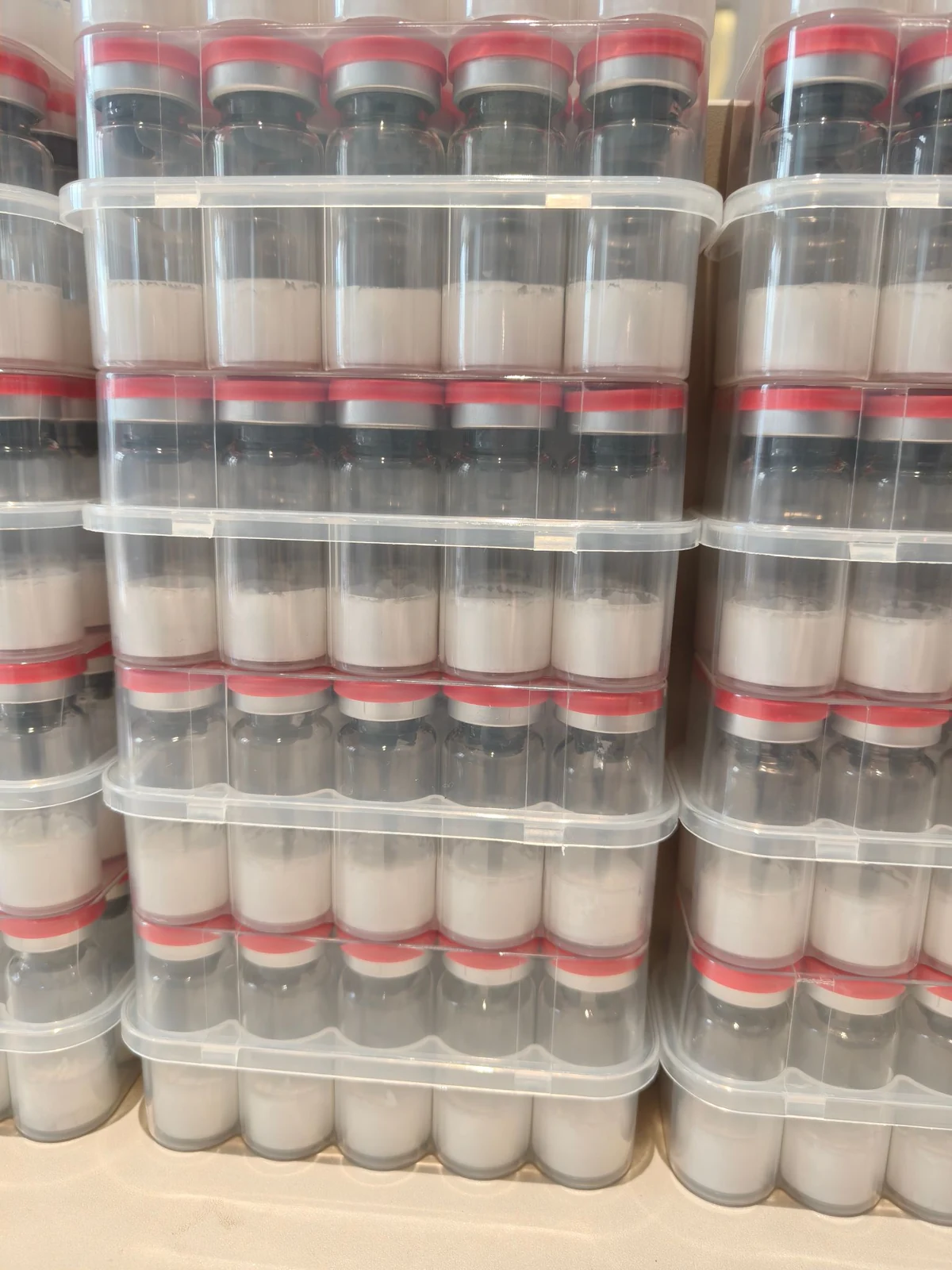
Understand the dry format without judging it by volume
Freeze-drying uses a frozen preparation and reduced pressure to remove water. Its dry output can look different from a dense crystalline powder, and the apparent volume in a vial is not a substitute for the stated material quantity. The preparation can also contain intentionally added constituents. Ask for its declared composition and the quantity basis rather than interpreting cake height or visual fullness as a measurement.
For a buyer, the format question is practical: which presentation allows the laboratory to receive, identify and evaluate the material consistently? Match the pack and documentation to that workflow. Do not select a format solely because a product photograph makes one vial appear fuller than another.
Compare transfer and sampling workflows
Think through the material's route after receipt. Will one container support a single evaluation, several independent trials or testing at an outside laboratory? Who will open it, record the sample identity and retain the unused portion? These questions help determine whether the proposed presentation fits the work.
For a solution, keep the carrier composition and stated concentration with the sample record. For a solid, keep the supplied mass basis and relevant handling information with it. If the material is transferred to another container, preserve the link to the original label and lot. A well-defined transfer record helps distinguish differences in handling from differences in the material itself.
Design a format comparison that answers one decision
If both a powder and a solution are under consideration, state what the comparison is meant to decide. The team may be assessing preparation convenience, compatibility with a restricted carrier system or the suitability of a pack for repeated sampling. Those are useful questions, but they need different observations.
Document the composition assumptions before comparing results and keep any unanswered quantity-basis question visible. A comparison is difficult to interpret if the candidates are prepared as though their supplied compositions were identical. Ask the formulation team to define the common basis and record any additional material introduced by the solution carrier or by preparation of the powder.
Discuss the preferred format and a practical alternative
A sourcing request can identify both the preferred presentation and an acceptable alternative. Explain why the first choice matters: an existing preparation workflow, a carrier restriction, a receiving requirement or the planned number of trials. Then identify which aspects of an alternative would require another review.
This gives the supplier discussion a useful boundary without making an uncertain format decision irreversible. If a new presentation is proposed, request the corresponding specification and sample information. Keep the decision tied to your actual workflow rather than assuming that powder is always more suitable, or that a ready-made solution is automatically easier for every cosmetic development project.
Further reading
Technical background for your evaluation. A published study does not establish the performance of a supplied material.