
Ingredient family
Copper peptides
Compare the peptide identity, supplied composition and analytical basis before evaluating a copper peptide material.
Explore this familyExplore cosmetic peptide ingredients for formulation development. Review specifications, request an evaluation sample and discuss batch documentation with our team.
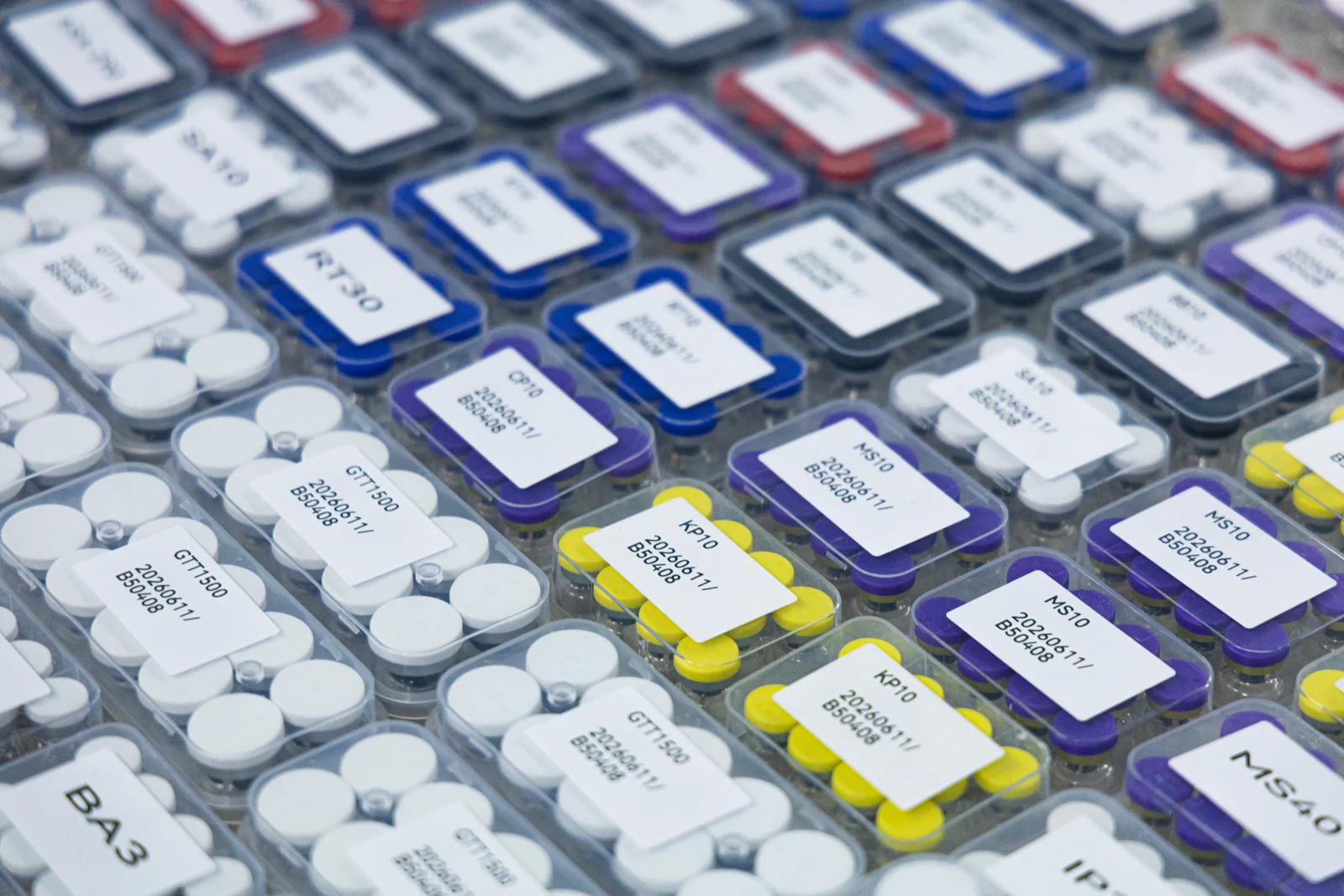
A shared name does not always mean a shared specification. Explore the details behind each family.
Identity before appearance.
Understand the modification.
A name is the starting point.
Compare the peptide identity, supplied composition and analytical basis before evaluating a copper peptide material.
Explore this familyReview the named peptide, lipid modification and carrier composition as part of one material specification.
Explore this familyKeep the sequence, acetylation detail and reporting basis connected when comparing ingredient offers.
Explore this familyWatch the supplied footage of production and packing activities.
A short view of vials moving through a circular handling table.
An operator at enclosed equipment, filmed from the work area.
Explore photographs from the Celsentra material library. Ask our team to confirm the exact product, lot and packaging for your inquiry.
Vial height and box depth in a side view.
Open original photographTransparent ten-vial boxes with blue-capped vials.
Open original photographProduct and batch labels on the original packaging.
Open original photographA handheld view of a ten-vial tray.
Open original photograph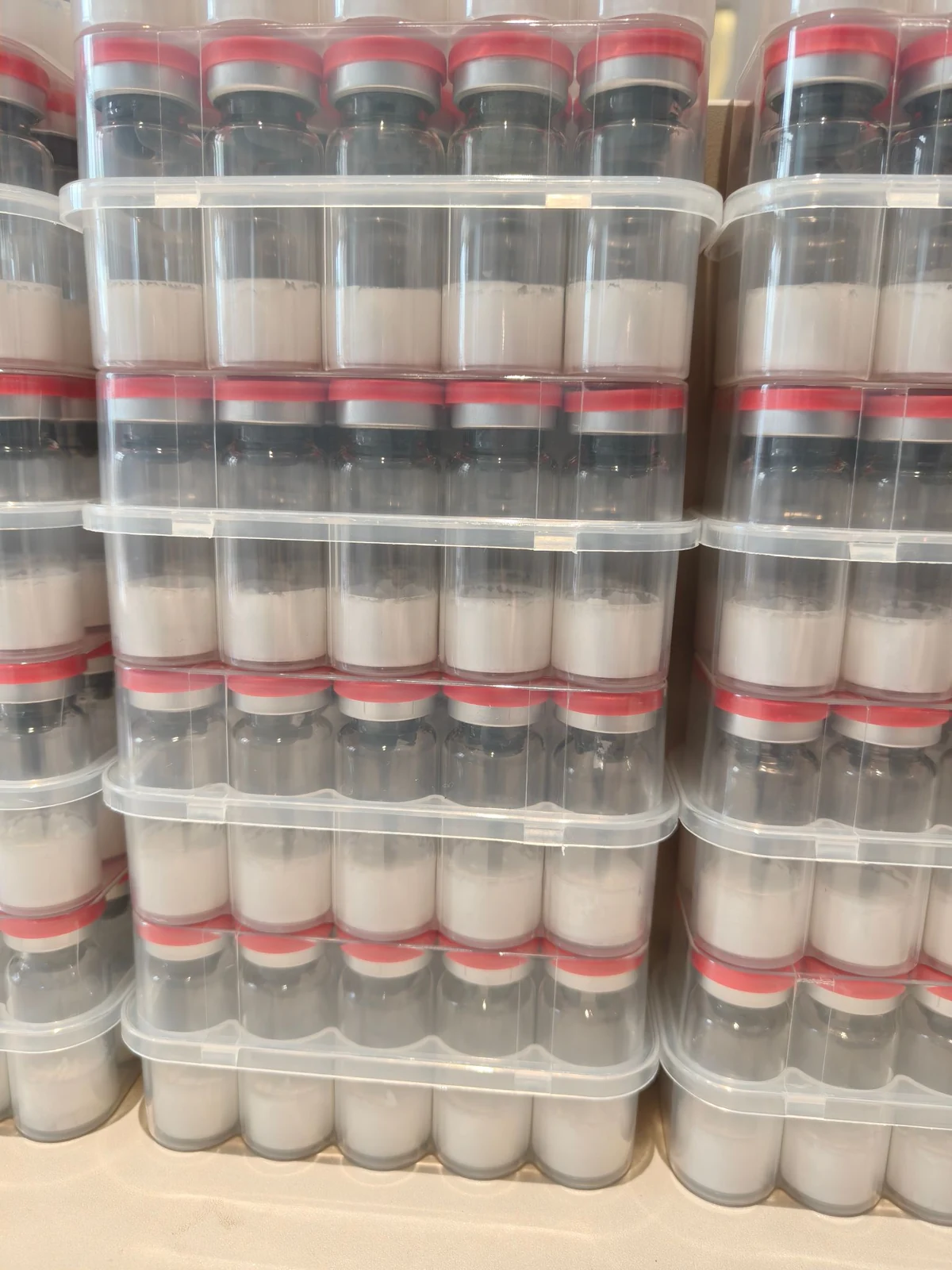
Vial height and box depth in a side view.
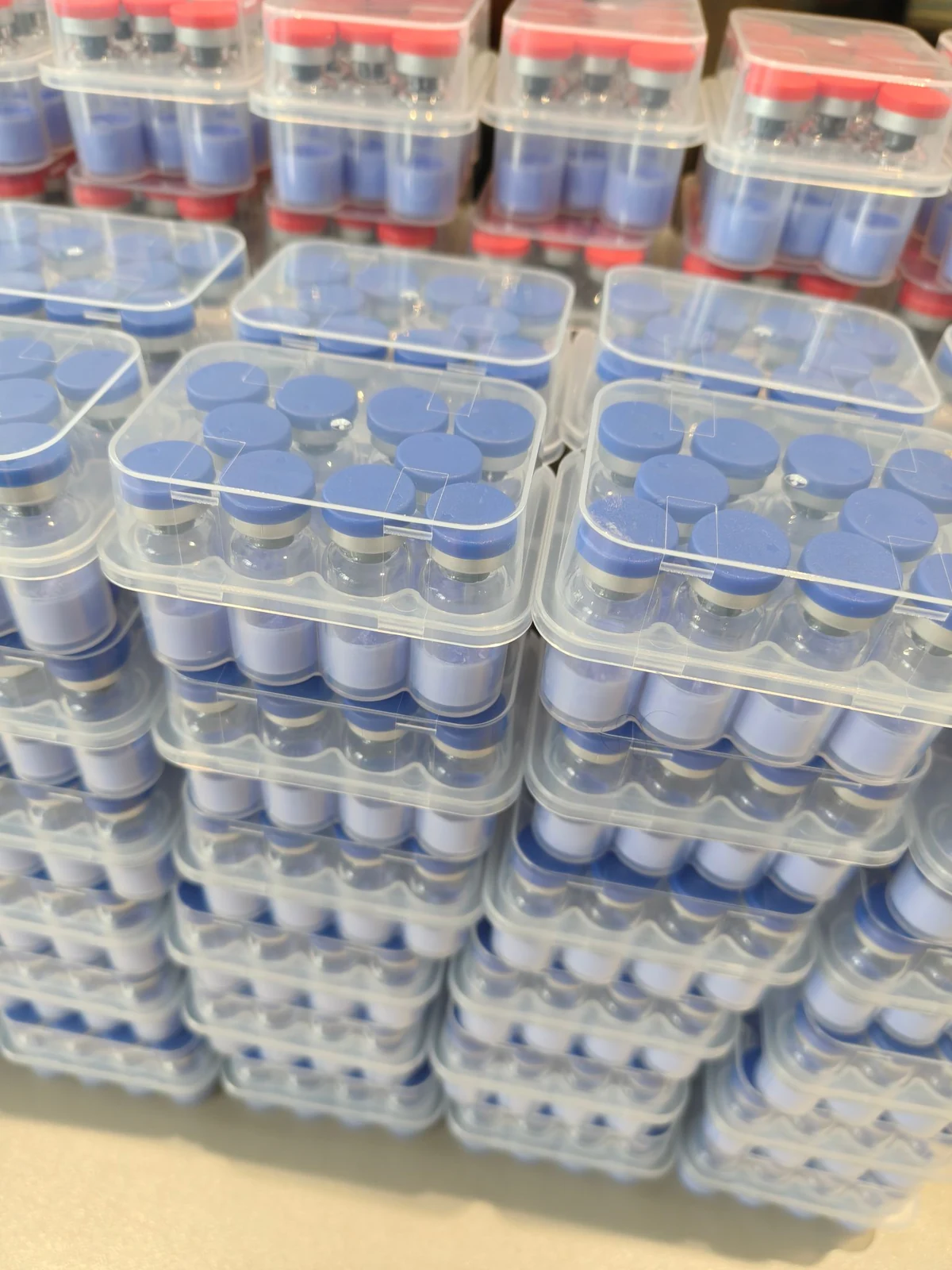
Transparent ten-vial boxes with blue-capped vials.
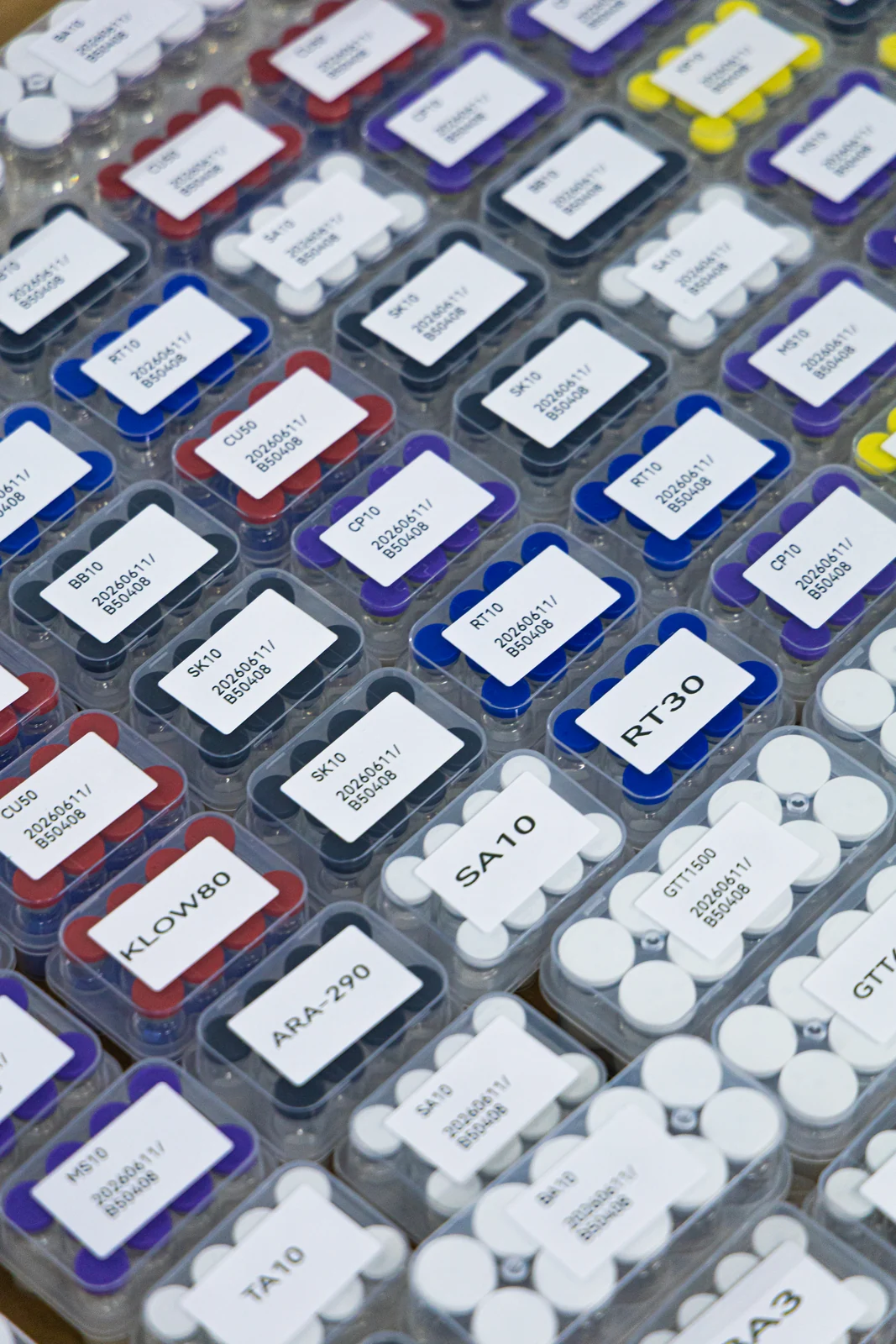
Product and batch labels on the original packaging.
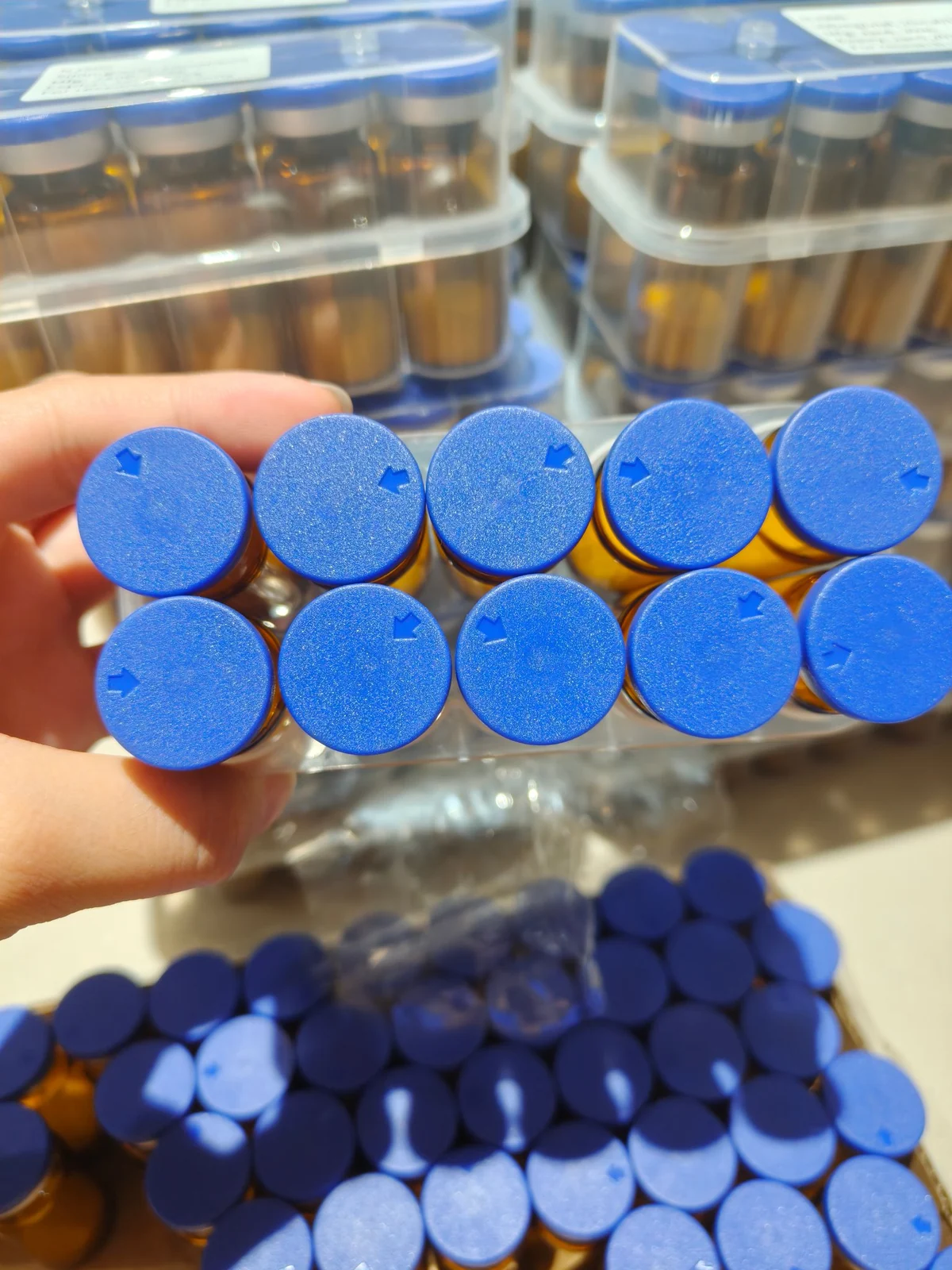
A handheld view of a ten-vial tray.
Build a useful brief before comparing offers or commissioning a formulation trial.
A peptide name is only the beginning of an ingredient decision. A useful comparison also identifies the supplied composition, peptide content basis, physical form, relevant analytical methods and packaging. This site helps cosmetic formulation teams prepare that comparison before requesting samples or discussing a development project. Begin with a single ingredient, a proposed peptide family or an existing supplier specification. You can then organize the questions that matter to your formula instead of choosing from an impressive sounding list of unrelated claims.
Tell Celsentra the intended cosmetic format, destination market, required quantity and documentation needs. Identify whether your team needs a raw ingredient for its own formulation work, a premeasured evaluation sample or a separately scoped custom project. State any restrictions on carriers, counterions, solvents or supporting ingredients. If an analytical value is essential to your acceptance decision, include the method and reporting basis when available. This makes differences between offers easier to identify and reduces the risk of comparing a concentrated ingredient with a diluted blend as though they were identical.
Confirm the ingredient name and identifier.
Describe the solid, solution or carrier blend.
Define the question your sample should answer.
Retain the accepted specification and relevant lot record.
Keep the same material identity connected to each stage.
Use the ingredient directory, specification guide and quality document pages to assemble your shortlist. Request the current sample identity and its relevant batch documentation before starting internal tests. Record observations against the sample reference, then bring those findings into the next discussion. A sample can inform a sourcing decision, but suitability for a finished cosmetic formula still depends on the complete formulation and its evaluation. Send your project requirements to begin a documented review.
Cosmetic peptide sourcing begins with a precise material description. A peptide name may refer to a neat solid, a salt, a solution in a carrier, or a formulated blend. These are different purchasing objects even when the front label highlights the same ingredient. Before selecting a sample, identify which form your laboratory can receive and evaluate, how the quantity will be expressed, and which documents need to follow the material. A development chemist may need information about sequence, modification and analytical basis; a purchasing colleague may need pack count and reorder identity. Keeping those requirements together prevents a technically suitable ingredient from arriving in a presentation that cannot enter the intended workflow. The first useful outcome is a shared specification, rather than a broad promise about what peptides can achieve.
A sensible first evaluation separates three questions: is this the intended material, does it behave acceptably in the proposed cosmetic formulation, and can the same specification be sourced again? Identity evidence answers the first question. A formulation trial answers the second only for the conditions actually tested. Batch records and an agreed change process support the third. Buyers can explore ingredient families, compare supplied forms and review the meaning of a certificate of analysis on this platform before sending a sourcing brief. Where a requirement remains undecided, describe the decision you need to make rather than entering an invented specification. An early sample may help decide solubility or appearance, while a later sample should represent the composition and packaging planned for repeat supply. Those two samples need different acceptance questions.
A brand preparing its first cosmetic prototype has different questions from an established manufacturer replacing an ingredient. For an early concept, start with the ingredient family, desired supplied form and the type of cosmetic your team is developing. For an existing formula, bring the current material specification and identify which attributes must remain unchanged. A distributor can begin with the product identities, pack formats and documentation its customers usually request.
Use these starting points to make the first conversation specific. You do not need to disclose an entire proprietary formula to describe a sourcing requirement. Share the information relevant to the material decision, and identify anything that requires a separate confidential discussion.
Lyophilization removes water from a frozen preparation under reduced pressure, with ice passing directly into vapor during the main drying stage. The process creates a dry presentation; it does not, by itself, define the identity or composition of the ingredient. A lyophilized material may be a peptide preparation or a deliberately designed mixture with supporting constituents.
For buyers, the useful questions are what went into the preparation, what specification describes the recovered material, and which pack will maintain the intended presentation. A neat powder, a premeasured vial and a ready-to-use solution serve different laboratory workflows. Explore the powder and solution guide before requesting a sample format.
A successful sample trial is the beginning of a purchasing record. Save the accepted material name, product code, specification revision and the observations that mattered to your team. Add the requested pack count, label information, receiving contact and any documents needed before dispatch. This gives the next discussion a clear reference instead of restarting with a photograph or an informal product nickname.
If a later order uses a different lot or presentation, compare the proposed change against that record. A sample can establish an evaluation baseline without locking the project into a pack size that becomes inconvenient at a larger scale. Discuss both the immediate sample and the likely follow-on requirement.
The ingredient directory explains how to distinguish copper, palmitoyl and acetylated peptide families. Material specifications and the content-versus-purity guide help turn a product name into a reviewable requirement. Packaging, stability and compatibility pages cover the practical questions that appear when a material reaches the laboratory. The official Celsentra COA library remains the destination for available product and batch reports.
When you are ready, send the exact ingredient, preferred form, sample or order quantity and destination. If you already have a report or specification, mention its title and revision. Our contact page lets you prepare those details and continue the conversation by email or WhatsApp.
Three useful questions. Three different pieces of evidence. Understand what a report can tell you before using it to compare materials.
Understand the differenceDoes the material match the defined ingredient?
How much of the defined component is present?
What does the analytical method detect and separate?
Search the official library by product or lot number. Match the report to your exact material and batch.
Practical answers for procurement and formulation teams.
No. Review the declared composition and content basis. A dry material may include supporting ingredients.
Compare identity, method, content basis and composition together. A single percentage is insufficient.
Current availability and the offered specification must be confirmed for the exact inquiry.
Submit the ingredient and evaluation requirement so the suitable sample route can be reviewed.
No. The finished formulation and its claims require their own appropriate evidence.
Begin with a non-confidential technical summary and agree the information exchange before sharing restricted details.
Ask for evidence that matches the offered lot and document any remaining gaps.
Provide exact ingredient identity, supplied form, destination, quantities and required documents.
No. Confirm the individual identity, chemical form and supplied composition. A family name helps navigation but does not establish interchangeability.
Yes. Compare the documented composition and reporting basis, then determine which earlier formulation observations remain relevant.
Color is an appearance observation. It does not replace appropriate identity or content evidence for the actual sample.
No. The tested formulation and study design define the evidence. A different finished product needs its own appropriately reviewed support.
Share the ingredient, supplied form and specification your team is evaluating.