
Ingredient family
Copper peptides
Compare the peptide identity, supplied composition and analytical basis before evaluating a copper peptide material.
Explore this familyAn ingredient family helps you find related materials, but it does not establish interchangeability. Copper complexes, acetylated peptides and palmitoylated peptides differ in their defining chemistry as well as their supplied presentation.
3 ingredient families
Compare the peptide identity, supplied composition and analytical basis before evaluating a copper peptide material.
Explore this familyReview the named peptide, lipid modification and carrier composition as part of one material specification.
Explore this familyKeep the sequence, acetylation detail and reporting basis connected when comparing ingredient offers.
Explore this familyTry a shorter phrase or clear the filters. You can also send us the ingredient name or specification you need.
Ask about an ingredientAn ingredient directory should make it easy to compare products with the same naming basis. Each approved entry should identify the ingredient name, any verified INCI or chemical identifier, supplied form and document status. A trade name, an abbreviation and a sequence are different kinds of information; they should not silently replace each other. If a name covers more than one form or composition, open a specification discussion before treating those listings as alternatives. Confirm the identity and proposed supply route for each shortlisted item.
Select the fields that matter for your sourcing decision: peptide content, analytical purity, moisture, carrier composition, counterion where relevant, pack type and evaluation sample availability. A dry material can contain supporting ingredients, and a visually similar powder can have a different composition. Ask which values are measured, which are calculated and which are specification limits. Keep the original unit alongside every value. This directory is intended to support technical selection rather than imply that every item is continuously available.
A shared ingredient name does not make these presentations interchangeable.
Build a short list of exact ingredients and send it with your formulation context. Include alternative names from your internal documents so the identities can be reconciled. If a material is not listed, submit its identifying information and intended cosmetic use for review. The next step is a matched specification and sample discussion, followed by your own compatibility assessment. Confirm the specific material and documents again before committing to a larger order.
An ingredient family helps you find related materials, but it does not establish interchangeability. Copper complexes, acetylated peptides and palmitoylated peptides differ in their defining chemistry as well as their supplied presentation. Within each family, a short product name can conceal a different peptide sequence or a different terminal modification. Use the family to narrow a search, then move to the individual identity and specification. A catalog record should let you connect the commercial product code with the chemical material described in its documents. If a preferred ingredient is known by an older name or an abbreviation, include both when requesting confirmation. This is particularly helpful when an inherited formulation sheet and a new supplier document use different naming conventions for apparently similar materials.
Build your shortlist around fields that remain meaningful across suppliers: identity, supplied form, stated peptide content, analytical purity method, relevant carrier ingredients and primary pack. Leave a field marked as awaiting confirmation when it is absent; substituting a marketing statement creates false precision. A candidate supplied as a dilute solution should be reviewed on its own composition basis, rather than ranked beside a neat powder using the headline purity alone. Likewise, a blended ingredient requires the composition of the blend, not only the name of its best known component. At sample review, retain the exact product code and document revision used to make the selection. This small record makes it possible to revisit the decision if the formula changes, a new lot is proposed, or an alternative ingredient becomes necessary.
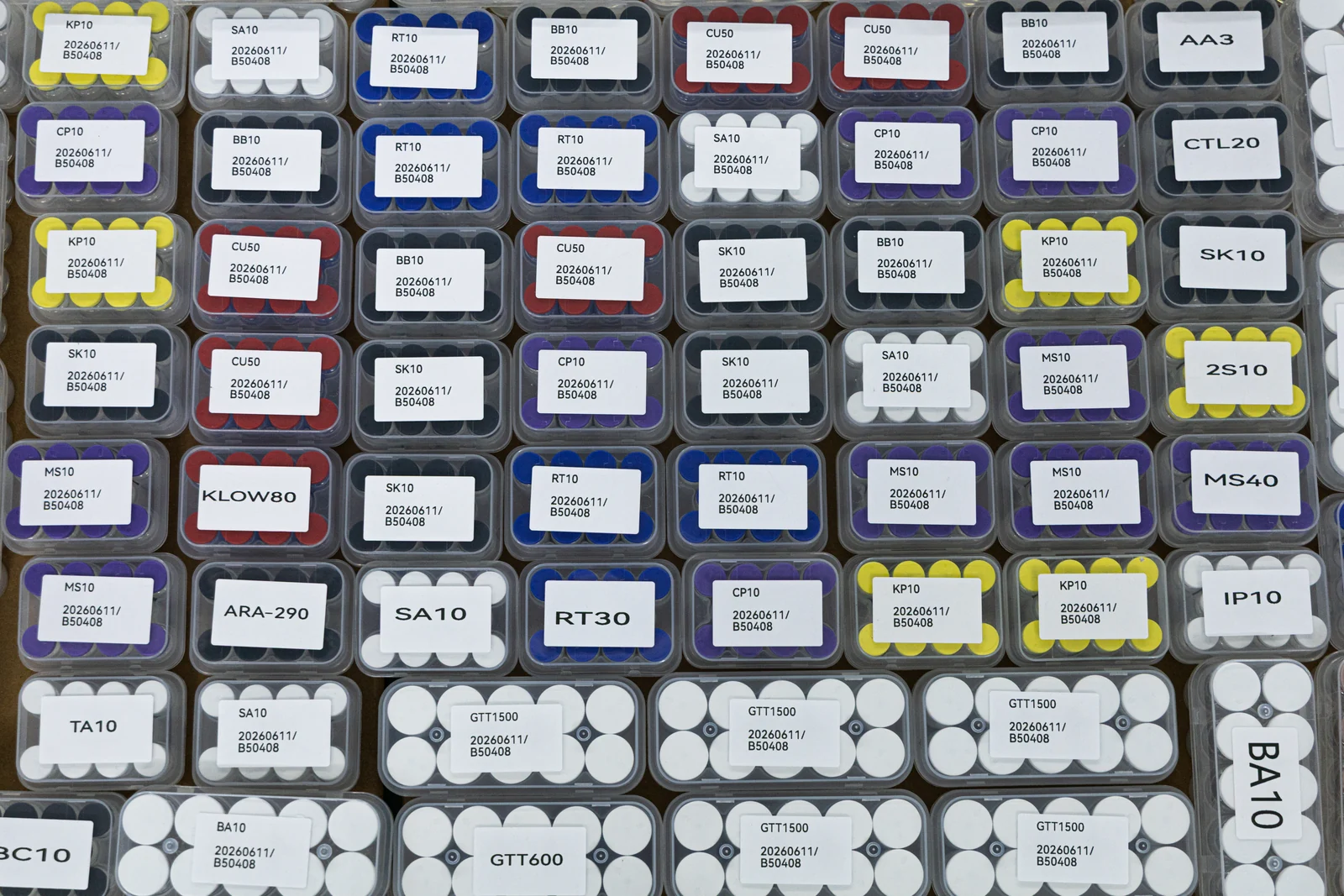
Start with the full ingredient name from your formulation or purchasing record. Add the trade name, supplier code or abbreviation as a second reference rather than replacing the name with it. If the identifier is uncertain, explain where it came from: a previous label, a technical sheet, a research paper or a development brief. A picture can help locate a record, while the written identity is what allows the proposed material to be checked.
For a blended ingredient, list the declared components your team knows and identify the component that motivated the search. This keeps a request for a multi-ingredient material from becoming an accidental request for only one of its constituents.
Keep each candidate on a separate line with its complete material description, supplied form and intended role in the trial. Then add your decision fields: what is essential, what can vary and what is still being evaluated. For example, an established carrier restriction may be essential, while the preferred primary pack may remain open until sample handling has been tested.
A short list becomes more useful when every open question has a next action. A missing batch report calls for a document request. An unfamiliar presentation calls for a sample discussion. A name mismatch calls for an identity check. These are different tasks, so do not combine them into a single overall score that hides why a candidate is still undecided.
A directory entry describes an ingredient family and the information useful for sourcing it. It is not a live stock reservation. Likewise, a product photograph illustrates a particular presentation and should be checked against the specification proposed for your order. Confirm the current product code, lot documentation, quantity, packaging and dispatch arrangement in the actual offer.
When sending several requested items, keep the units consistent and state whether the quantities refer to individual vials, complete packs or bulk material. If alternative presentations are acceptable, describe them separately. This gives your purchasing team a clearer record of what was requested and makes a later review of the offer much easier.
A material does not need to appear in the directory to be included in a project review. Send its full identity, the source of the name, the requested presentation and the purpose of the evaluation. Where your team needs a particular modification or a nonstandard composition, describe it explicitly so it can be separated from routine catalog sourcing.
The first step for an unusual request is to establish a shared description and the information needed to assess it. Avoid choosing the nearest-looking catalog item simply to complete a form. A focused inquiry can identify whether the next useful step is a naming clarification, a specification comparison or a separately scoped development discussion.
Share the ingredient, supplied form and specification your team is evaluating.