

At a glance
- Treat the primary pack as part of the ingredient presentation
- Review changes at the package level
- This makes it easier to distinguish an identification problem, a shipping protection problem and a potential change in the ingredient itself, each of which may require a different corrective action.
Treat the package as part of the material record
Identify the primary container, closure, secondary protection and label information associated with the offered ingredient. A product photograph is useful for orientation but should not substitute for the specification of the pack that will be shipped. Where moisture control is important, ask what evidence supports the selected packaging configuration and how opened material should be handled according to its documentation.
Plan receiving and sample use
Describe whether your team will consume the pack in one evaluation or reopen it over several sessions. Small evaluation units may simplify tracking, while larger packs may suit a different workflow. Confirm those options during the inquiry. Keep pack configuration, lot reference and received condition in the sample log so any later concern can be linked to a specific shipment rather than a generic product listing.
- Primary container
- Contains the ingredient and preserves its identification.
- Secondary protection
- Supports containment, handling and label protection.
- Shipping package
- Protects the shipment during the agreed transport route.
Agree the packaging configuration with the material and receiving requirements.
Treat the primary pack as part of the ingredient presentation
The container that directly holds a peptide ingredient affects how it is received, sampled and retained. Its material, closure and opening style can influence moisture exposure and transfer practicality. An attractive outer box does not answer those questions. Describe the primary pack separately from the shipping protection, including nominal container size, supplied quantity and identification method. If a protective bag or secondary barrier is part of the proposed presentation, specify whether it must remain closed until sampling. Buyers planning several small evaluations should consider whether multiple smaller packs reduce repeated opening of one larger container. The choice should be tied to the handling plan and supported material information, rather than assuming that the largest pack is automatically the most efficient option for every laboratory.
Review changes at the package level
A substitution that looks minor can alter how the pack behaves. Changing a closure liner, container material or label construction may affect the receiving process even if the peptide specification is unchanged. Define which packaging characteristics matter to your use and request notice when those characteristics change. For a transport trial, record the complete configuration rather than only the outer carton dimensions. Photographs of the closed pack, its identification and its arrangement inside the protective packaging help a receiving team reconstruct what was sent. If damage occurs, keep the packaging evidence alongside the material observations. This makes it easier to distinguish an identification problem, a shipping protection problem and a potential change in the ingredient itself, each of which may require a different corrective action.
Specify the unit your receiving team will handle
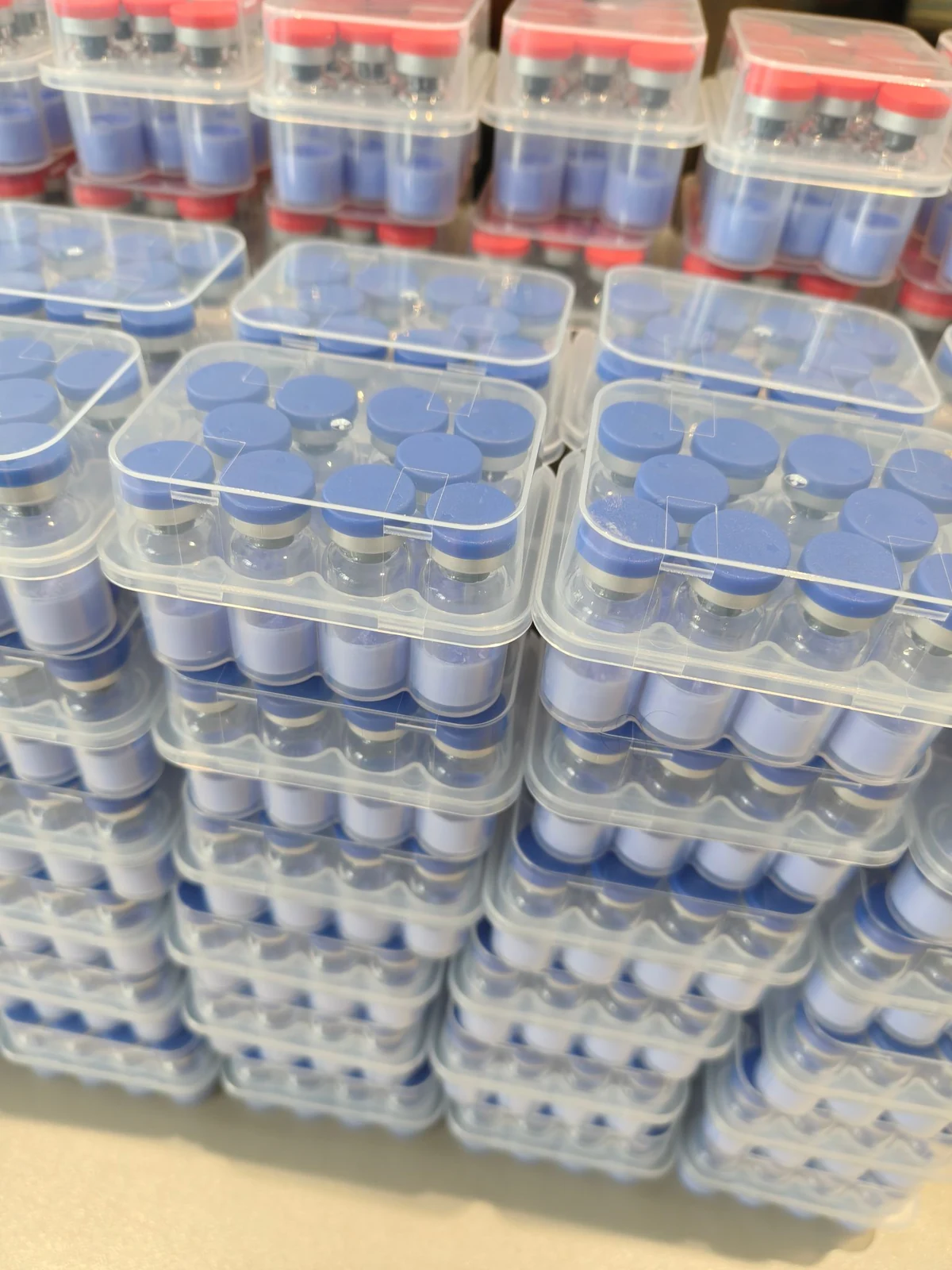
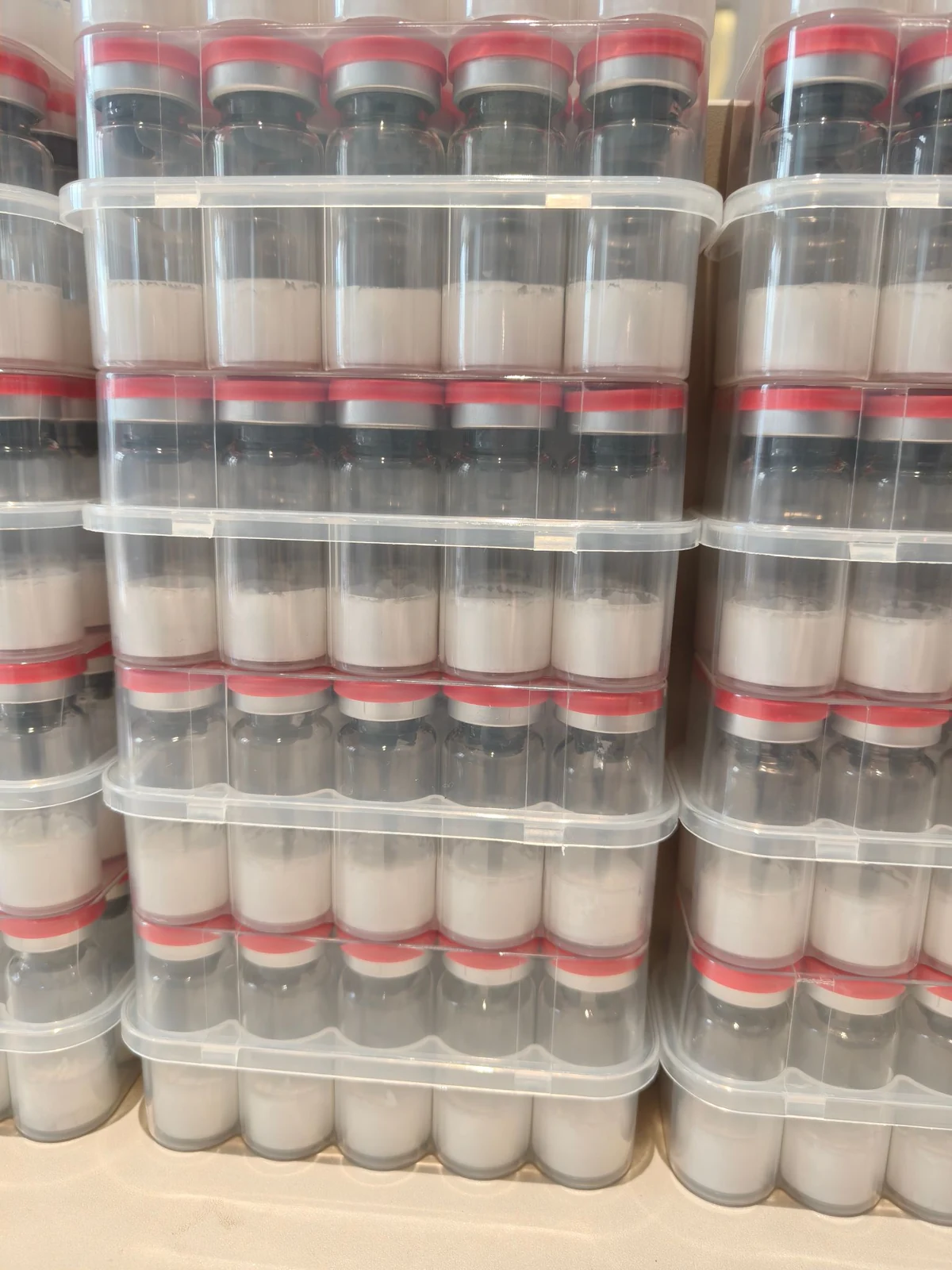
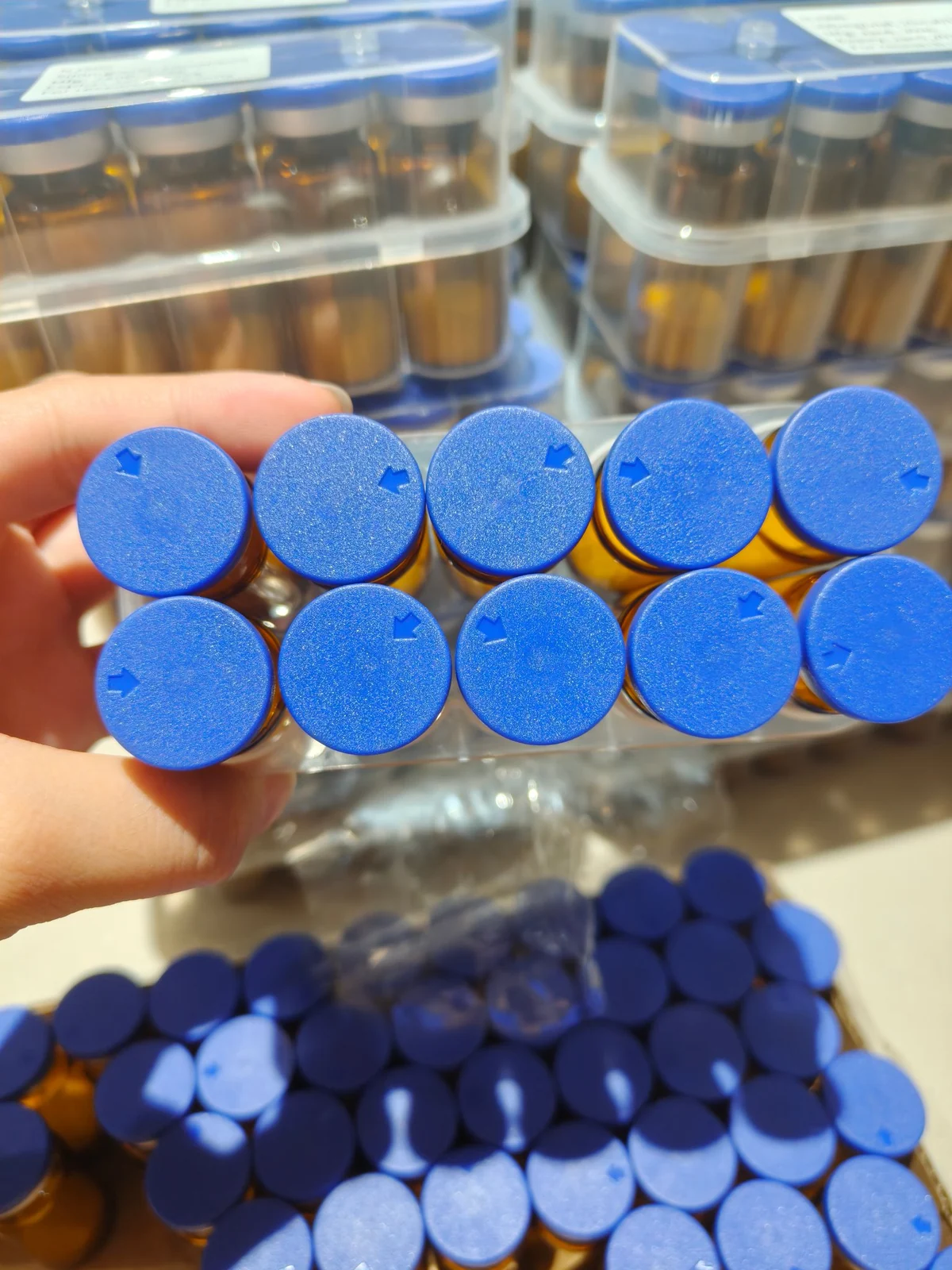
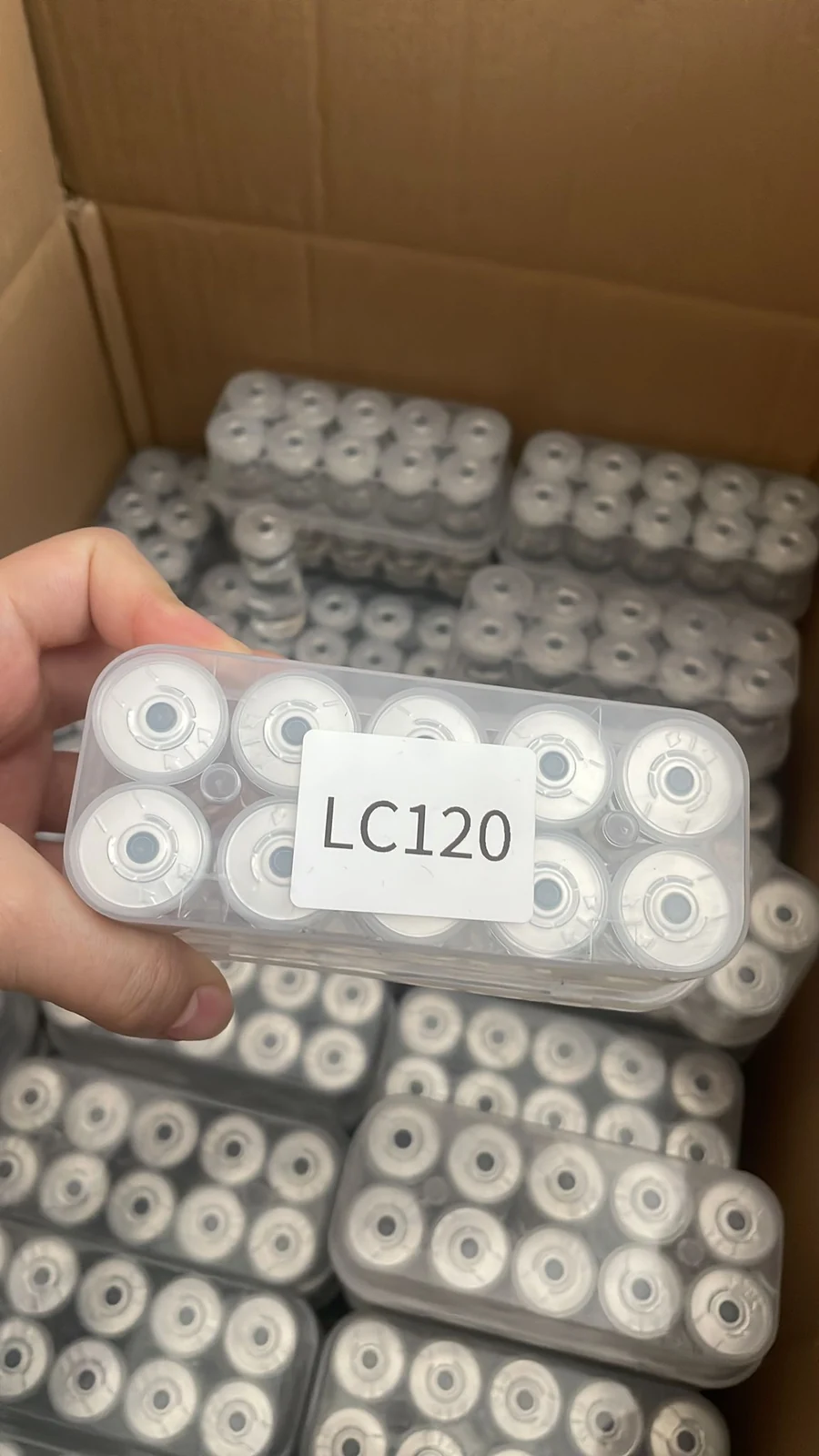
A purchase quantity and a container size describe different things. Ask for the amount of material per primary pack, the number of primary packs and the arrangement within the shipping carton. If a photograph shows ten vials, confirm whether that is the proposed delivery configuration or simply a presentation example. The label should let a receiving colleague connect each unit with the order and lot without relying on cap color.
For an evaluation involving several laboratories, identify how the quantity will be divided before dispatch. Separate labeled units can make handoffs easier to document. Confirm which packaging options are available for the exact item and whether dividing the material changes the document or handling requirements.
Prepare a practical incoming-package check
Before unpacking, compare the shipment reference with the expected material list. Inspect the outer carton, protective packing and primary containers, then record any damage, loose closure, missing identification or discrepancy in unit count. Photographs are most useful when they show the whole pack and a readable identifier together. Avoid opening every unit simply to make a receiving photograph.
If a pack appears compromised, keep it separate while the issue is reviewed and retain the associated shipping materials. Describe the condition observed rather than guessing its cause. A clear receiving record allows the supplier and your laboratory to discuss the affected unit without treating every container in the shipment as identical.
Plan for repeated opening and material transfers
A pack selected for one complete laboratory session may be less convenient when the material will be accessed repeatedly. Discuss the intended number of uses, whether reserve material is needed and who will control the opening record. Product-specific handling instructions should determine how a sealed unit is brought into the working environment.
For laboratory preparations, the receiving container also deserves attention. Published peptide research has documented losses associated with contact surfaces, so a new transfer vessel should not be chosen only because it looks equivalent. This is a reason to evaluate the actual preparation and container together, not a reason to assume that one plastic or glass type suits every peptide.
Keep branding separate from material identification
A brand label can support an organized presentation, but the product name, material code, quantity and lot connection still need to remain legible. Before requesting custom packaging, prepare the artwork language, label dimensions and the space needed for variable batch information. Keep decorative elements away from information that must be read during receiving.
If multiple versions of a label are being evaluated, give each artwork file a revision identifier and specify which version belongs to which sample. Confirm the approved pack presentation in the order record. This prevents a visual mockup, a sample label and the final supply instruction from being mistaken for the same document.
Further reading
Technical background for your evaluation. A published study does not establish the performance of a supplied material.